From planner to passenger: digital products for rail and transit
The software is where the headroom is.
Building new tracks takes decades and billions. Adding buses, trains or ferries takes years and a budget line most operators do not have. The demand, meanwhile, is now: the EU wants to double high-speed rail traffic by 2030 and rail freight by 2050, and every city wants fewer cars. The only lever that moves on a software timeline is how well the existing network, fleet and customer relationship are used.
Three things make that harder in transport than in most industries. Regulation and standards set the pace, so compliance is table stakes and interoperability is where the value is. Two very different users share the same system: professionals who live in a planning tool for eight hours a day and passengers who open an app for two minutes; both deserve human-centred design, and most tools serve neither. And nothing runs in isolation: a cross-border train crosses several countries and organisations, so any product that does not exchange data on the sector's standards just adds another silo.
The tracks and rolling stock are fixed. The software is where the headroom is: more trains on the same tracks, more riders on the same fleet, fewer people re-keying what a message could have carried.
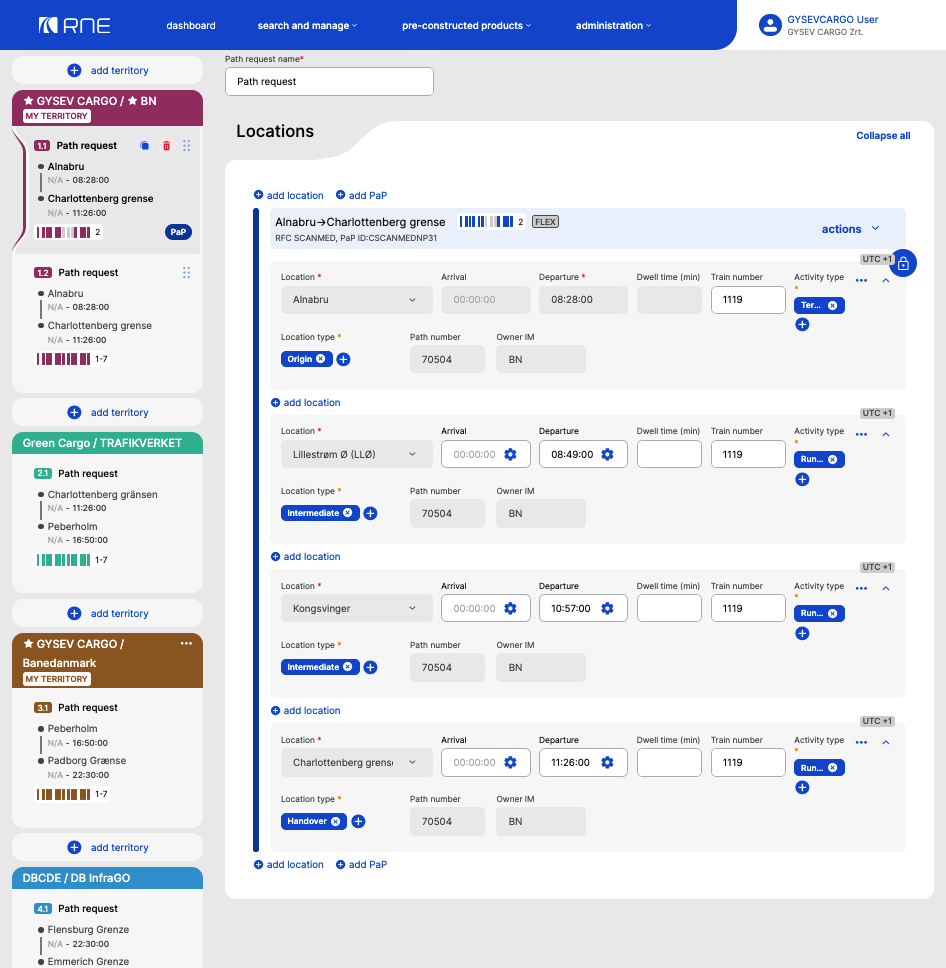
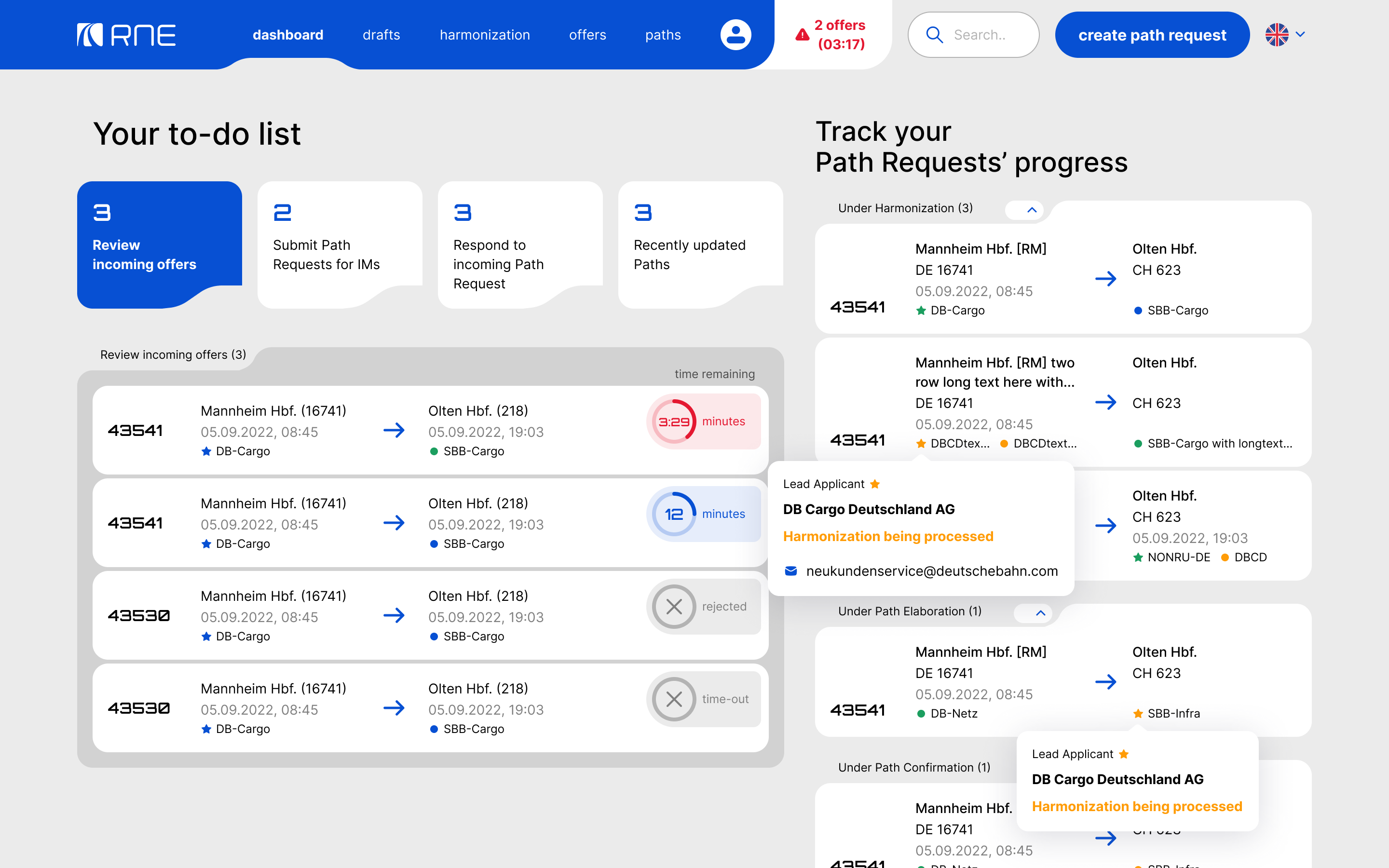
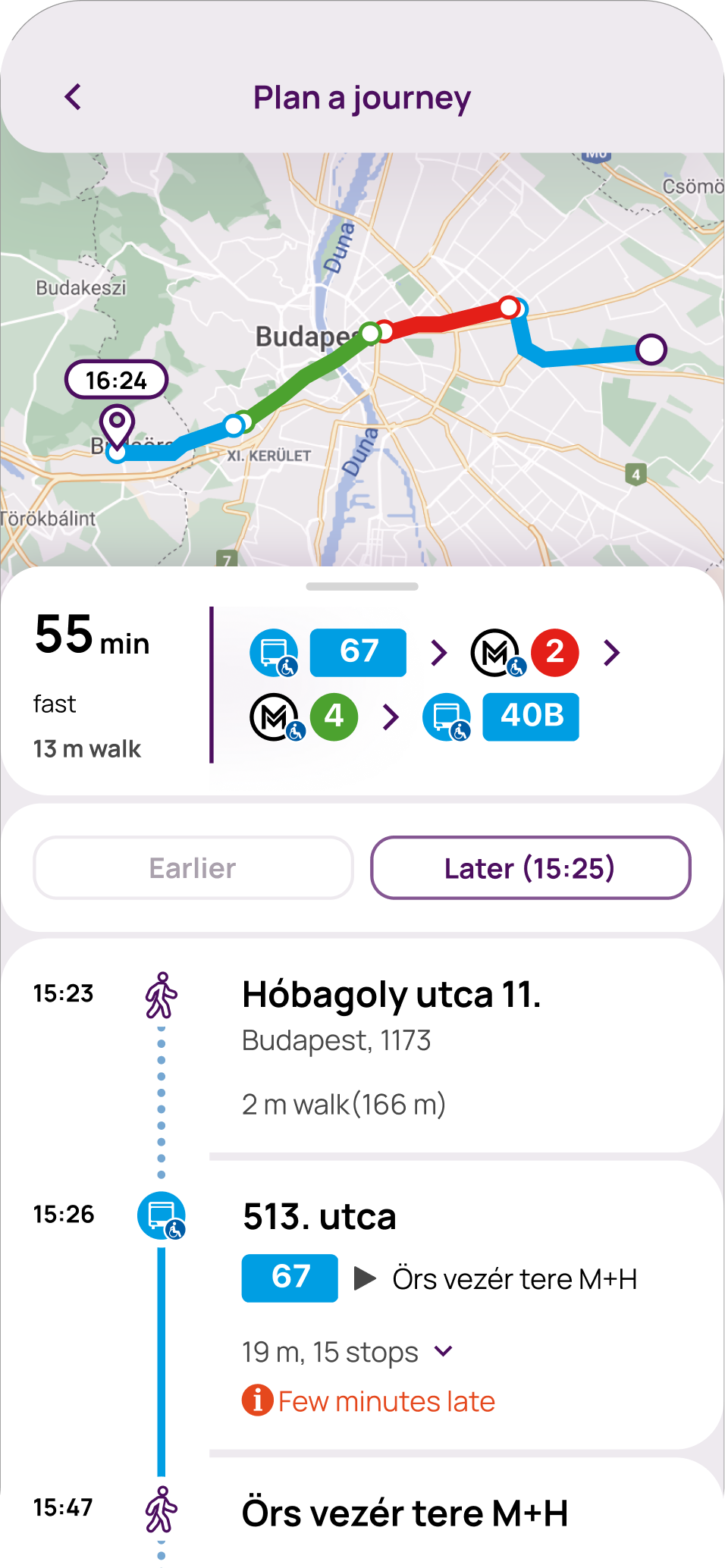
That is why we build the way we do. We start with the standards and the process, not the screen. We specify before we build, and we automate the steps that do not need a human while leaving the judgement calls with the experts who are accountable for them. And we operate what we ship. When STAH lets a train be ordered 45 minutes before departure through one system instead of four, when Infrastructure Managers see for the first time where the European network will be congested three years out, or when BudapestGO gives nearly three million people a real alternative to the car, that is infrastructure doing more with software.